The Young Economic Forum Madrid 2025 convened emerging economic leaders, diplomatic practitioners, and institutional stakeholders to examine critical challenges in global economic cooperation, sustainable development, and digital transformation.
Leveraging Spain's strategic position as a bridge between Europe and Latin America, the forum created an unparalleled platform for developing next-generation economic leadership through institutional visits, expert sessions, and cross-cultural dialogue.
Strategic Partnerships
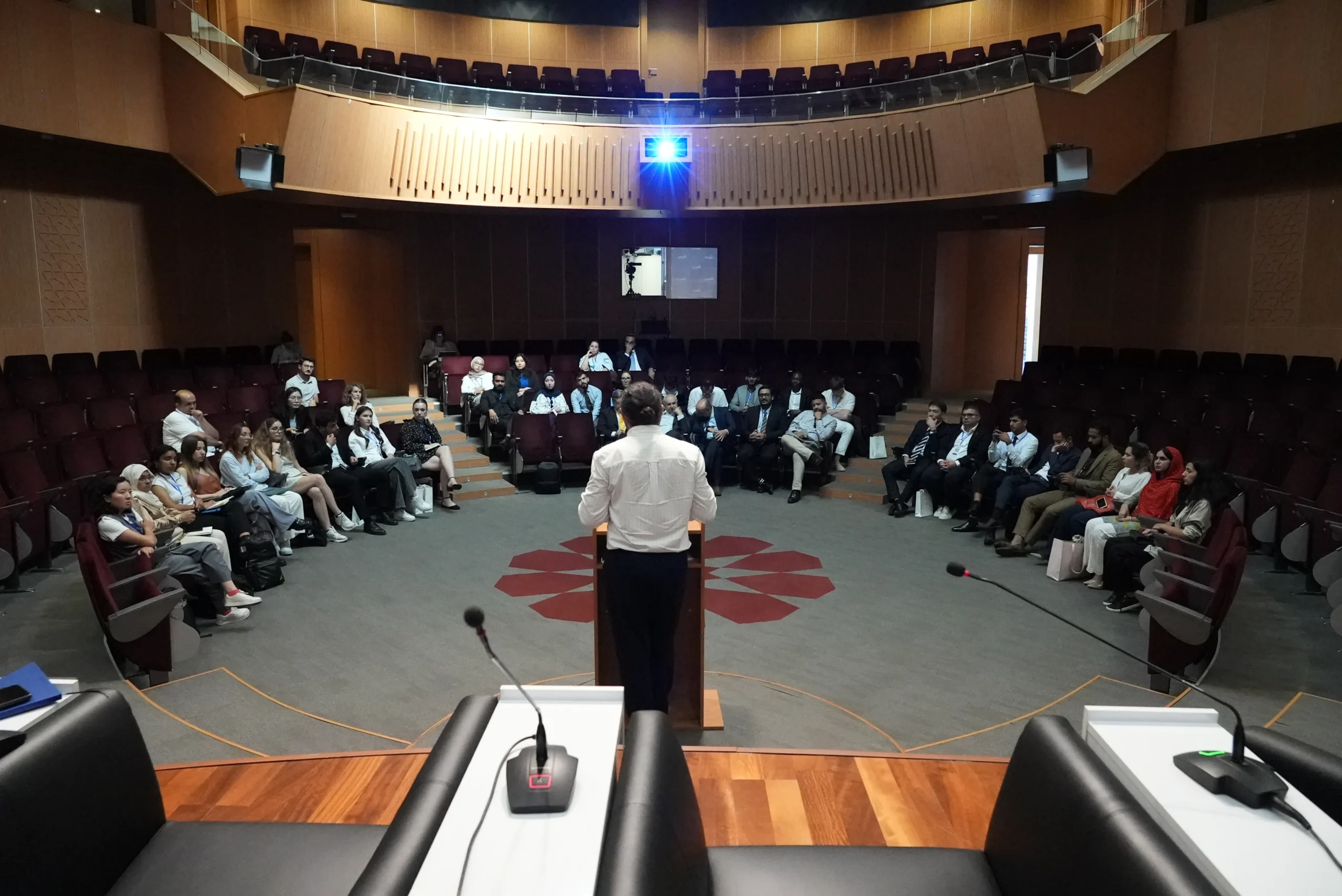
Spain Business School provided academic infrastructure and regional business networks, with Rector Miguel Ángel Blanco Cedrún opening the forum with insights on Spain's strategic role in international political economy and global cooperation frameworks.
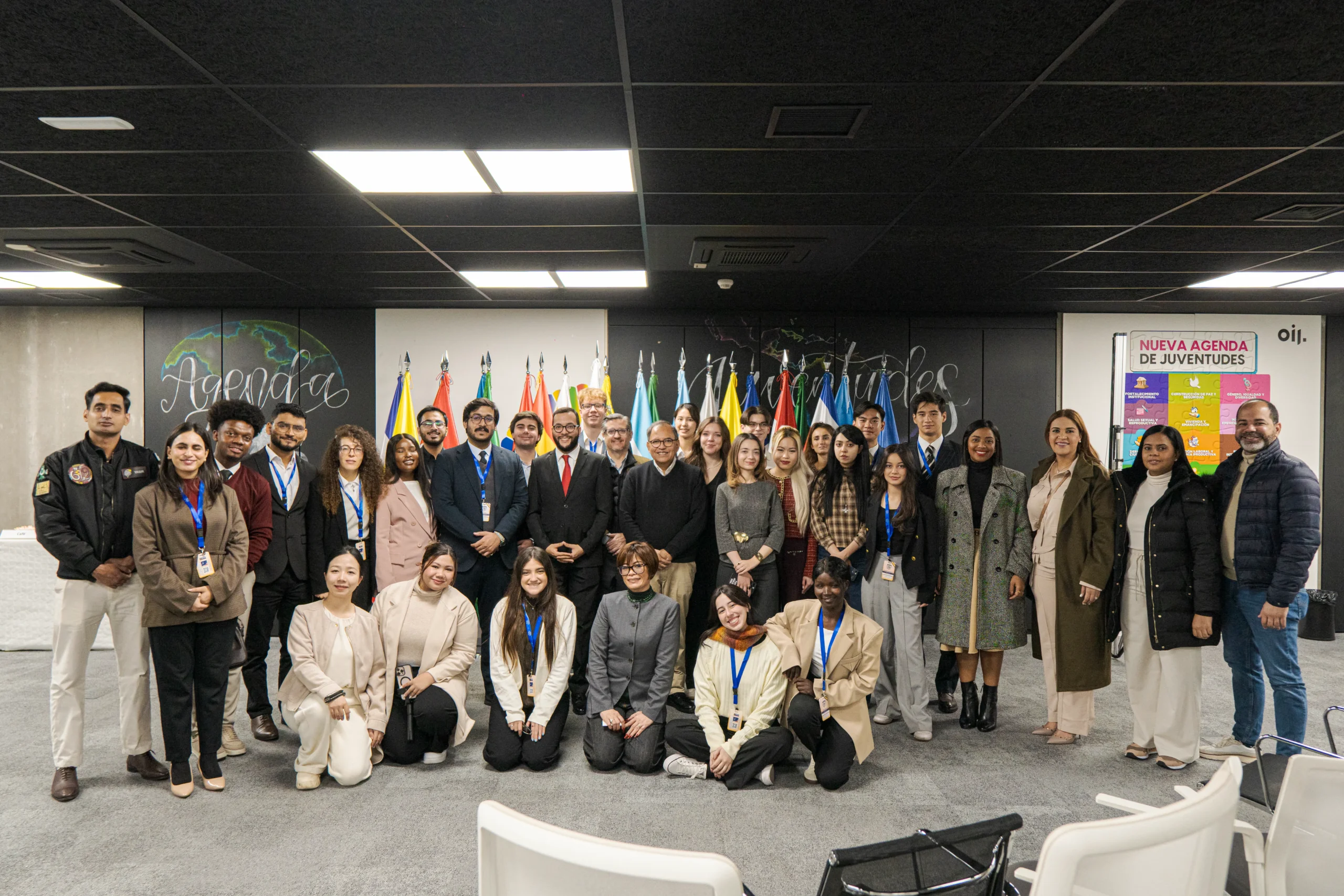
Organismo Iberoamericano de Juventud (OIJ), the UN seat-holding organization coordinating youth policies across 21 Ibero-American nations, offered participants direct exposure to multilateral advocacy mechanisms and regional cooperation frameworks spanning Latin America, Spain, and Portugal.
Casa de la Moneda, one of Europe's oldest minting institutions, provided exclusive insights into monetary infrastructure, currency production technologies, and the intersection of financial systems with economic sovereignty and national security.
Distinguished Expert Sessions
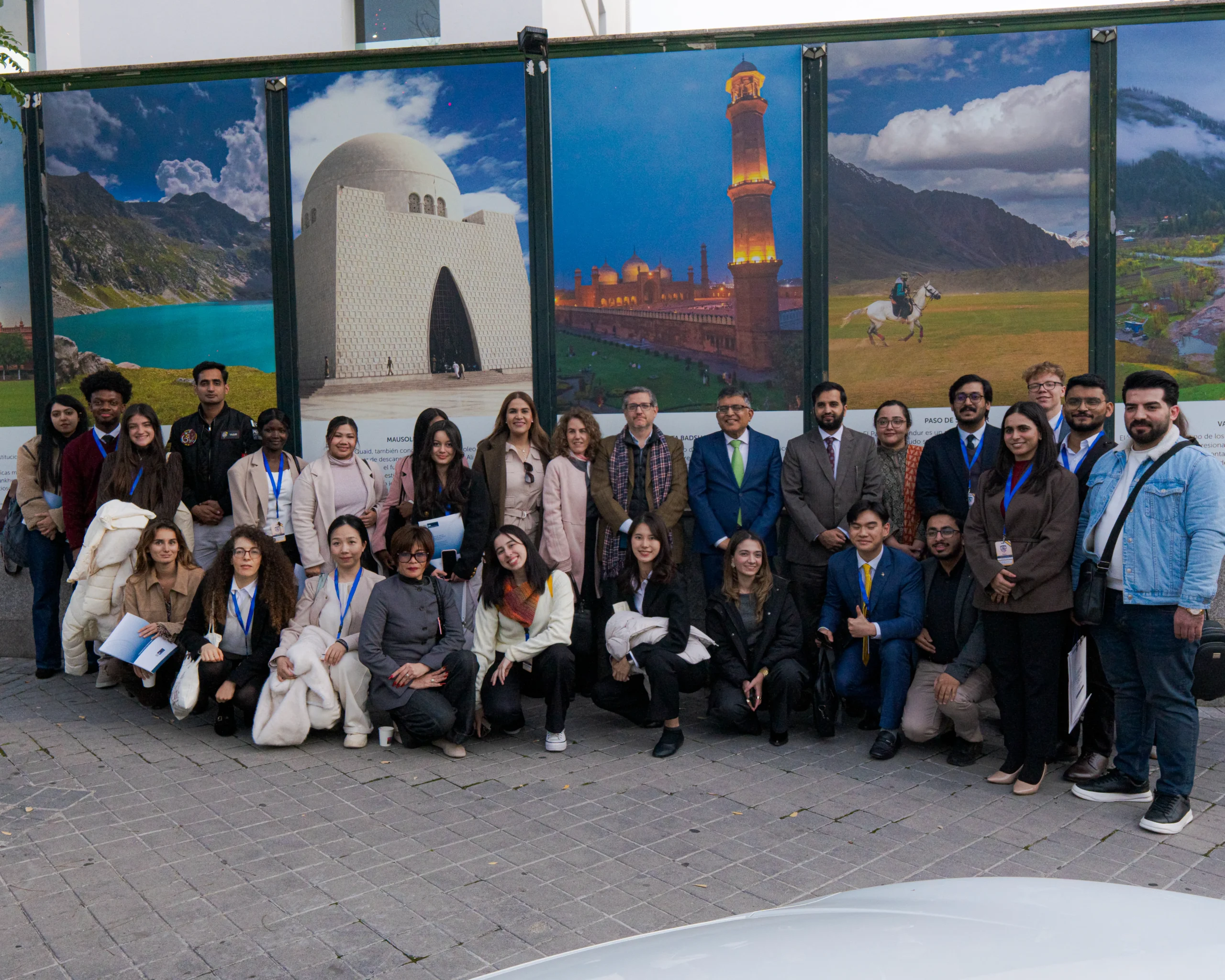
H.E. Dr. Zahoor Ahmed, Ambassador of Pakistan to Spain, explored bilateral economic cooperation and diplomatic engagement during the official visit of delegation to the embassy, examining Pakistan-Spain relations within broader South-South cooperation frameworks and transcontinental economic integration patterns.
Dr. George Schulze Zumkley, Counsellor for Economic Affairs at the German Embassy, delivered a strategic analysis of economic diplomacy, examining how technological cooperation and strategic partnerships shape bilateral relations and advance national interests in interconnected global systems.
Kelvin Bovell, Acting Director of Executive Education at the University of Guyana, provided critical analysis of North-South economic partnerships, examining how emerging economies can leverage educational capacity and regional cooperation to create equitable development frameworks that transcend traditional dependency models.
Ignacio Gómez Dios, Co-Founder of MYCOOP, offered entrepreneurial perspectives on regenerative business models and cooperative frameworks that drive economic growth while accelerating environmental sustainability and social impact in green economy transitions.
"YEF Madrid 2025 demonstrated the value of place-based learning experiences that leverage specific geographic and institutional advantages to create comprehensive educational opportunities."
Thematic Focus Areas
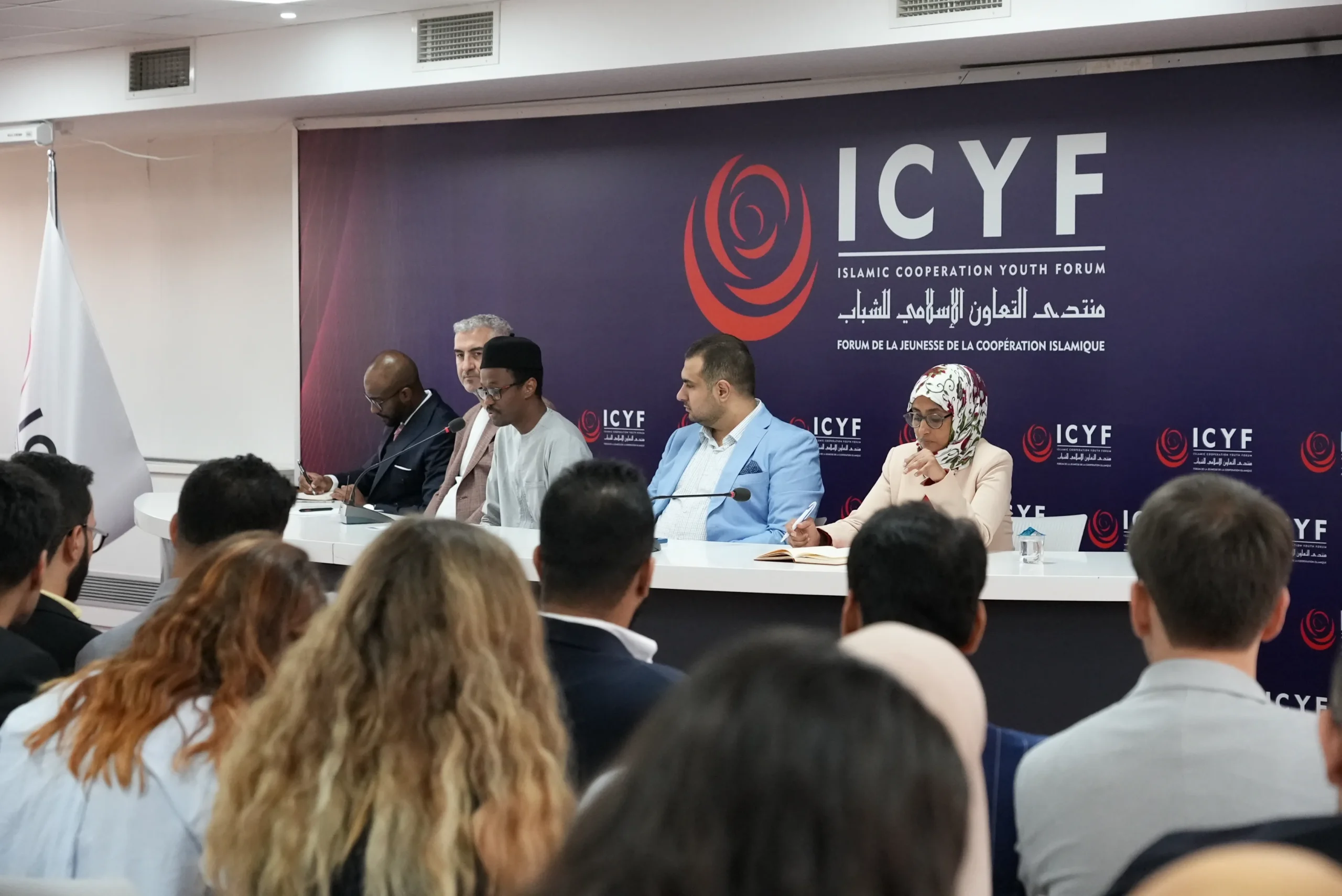
Digital Transformation and AI Integration: Panel discussion featuring Fernando Moroy, Gustavo Vallejo, and Michelle Ortiz examined how digitization and artificial intelligence empower young leaders while strengthening multilateral partnerships, addressing implications for economic sovereignty and international cooperation.
Economic Sovereignty and Monetary Systems: The Casa de la Moneda visit demonstrated how physical currency infrastructure relates to economic independence, showcasing the continuing relevance of traditional monetary systems alongside emerging digital currencies.
Regional Integration and Youth Policy: The OIJ institutional engagement highlighted coordinated youth policy frameworks' role in advancing regional integration while ensuring youth perspectives inform sustainable development strategies across multiple national contexts.
Sustainable Development and Green Growth: Expert sessions examined practical approaches to building business models that reconcile rapid economic development with environmental stewardship and social equity imperatives.
Key Outcomes
Professional Network Development: The forum successfully created lasting relationships spanning Europe, Latin America, Asia, and Africa, establishing foundations for continued collaboration on economic development initiatives that leverage diverse regional strengths.
Policy Framework Competency: Participants developed sophisticated understanding of economic policy mechanisms and practical implementation frameworks through engagement with diplomatic, academic, and business practitioners representing multiple regional perspectives.
Cross-Cultural Economic Capability: Integration of cultural immersion, institutional visits, and formal academic sessions enhanced participants' capabilities for conducting effective cross-cultural economic engagement essential for contemporary international business success.
Institutional Relationship Building: Connections established with Spain Business School, OIJ, and diplomatic missions create ongoing opportunities for continued learning, collaboration, and professional development across institutions and borders.
Strategic Significance
Spain's positioning between Europe and Latin America, combined with sophisticated institutional partnerships and distinguished expert contributions, created an optimal environment for developing economic leaders capable of fostering equitable, sustainable, and culturally informed economic development.
The forum's integration of diplomatic perspectives, academic rigor, institutional exposure, and practical business insights established a model for economic leadership development that addresses contemporary challenges while building sustainable foundations for transatlantic cooperation and youth-led economic transformation.