For much of the last generation, the reigning belief was that deep economic ties made conflict less likely. Countries that traded heavily, financed one another and shared supply chains were thought to have too much to lose from open rivalry. That belief has not disappeared, but it has been badly complicated by events.
The same connections that were supposed to bind states together have turned out to be usable as weapons. A payment system can be closed to a target. A critical component can be withheld. A market can be shut. What was once the plumbing of globalisation is now, increasingly, the arsenal of statecraft.
From Plumbing to Arsenal
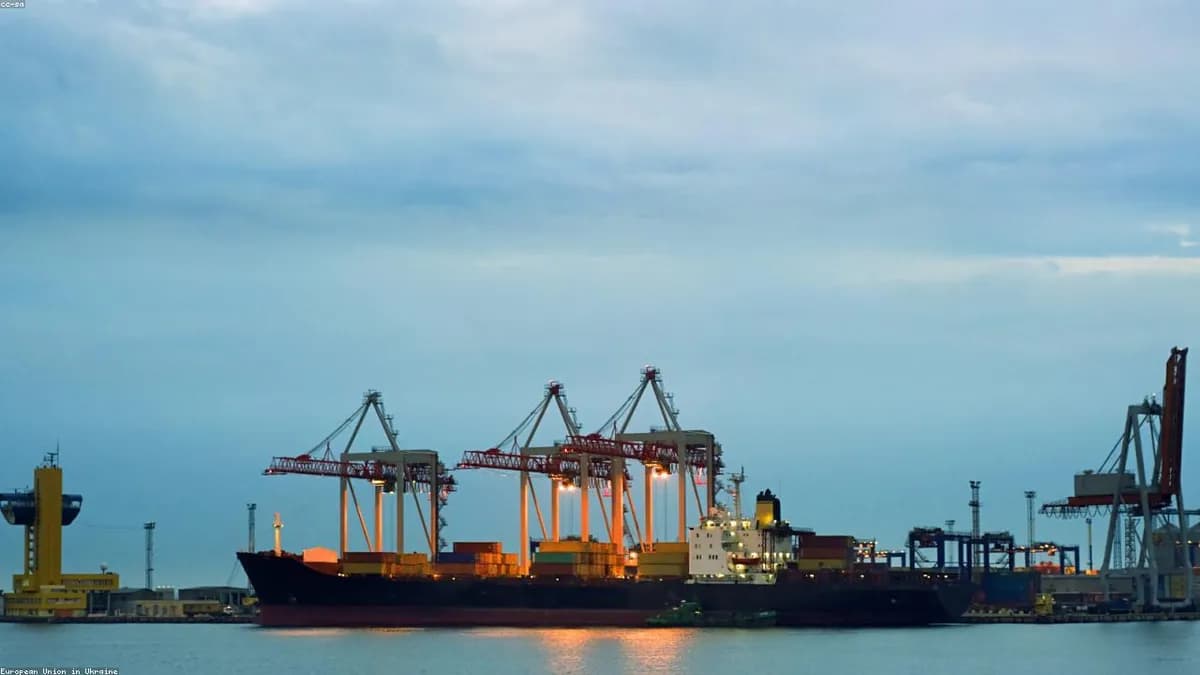
Economic statecraft is not new. Blockades and embargoes are as old as war itself. What is new is the density of the network. Modern economies are wired together through finance, data, shipping and specialised inputs to a degree that would have been unimaginable a few decades ago, and that density creates chokepoints.
A chokepoint is any node in the system that is hard to replace. It might be a currency that dominates global settlement, a narrow set of firms that produce the machines needed to make advanced chips, or a single region that supplies most of a critical mineral. Whoever controls a chokepoint holds a lever, and in a tense world, levers get pulled.
“What was once the plumbing of globalisation is now, increasingly, the arsenal of statecraft. The harder task is to stay open while refusing to be captured.”
The Price of Weaponised Interdependence
Weapons of this kind cut both ways and rarely stay contained. Restricting a rival's access to a critical good also disrupts the firms at home that supplied it and the third countries that depended on the same flow. The state that reaches for the lever often discovers that it has raised its own costs alongside its target's.
The target adapts once it understands its exposure. Sanctions and export controls send an unmistakable signal to build alternatives, stockpile essentials and cultivate new suppliers. Pressure that is meant to be decisive can instead accelerate the very independence it was designed to prevent.
Neutral parties are forced to choose as the tools of economic pressure spread. Smaller and mid-sized economies that would prefer to trade with everyone find themselves pushed to pick a side, or to spend heavily on hedging so that no single disruption can bring them to a halt.
Building Resilience Without Retreating
The response now taking shape across capitals goes by the name of economic security. In practice it means mapping dependencies before a crisis exposes them, diversifying suppliers of anything essential, holding reserves of critical inputs and coordinating with trusted partners so that no rival can isolate any of them individually.
The danger is that the pursuit of security curdles into a retreat from trade altogether, which would leave every economy poorer and more fragile in the long run. The harder and more worthwhile task is to stay open while refusing to be captured, to keep the benefits of an interconnected economy while making sure no single chokepoint can be turned into a stranglehold.